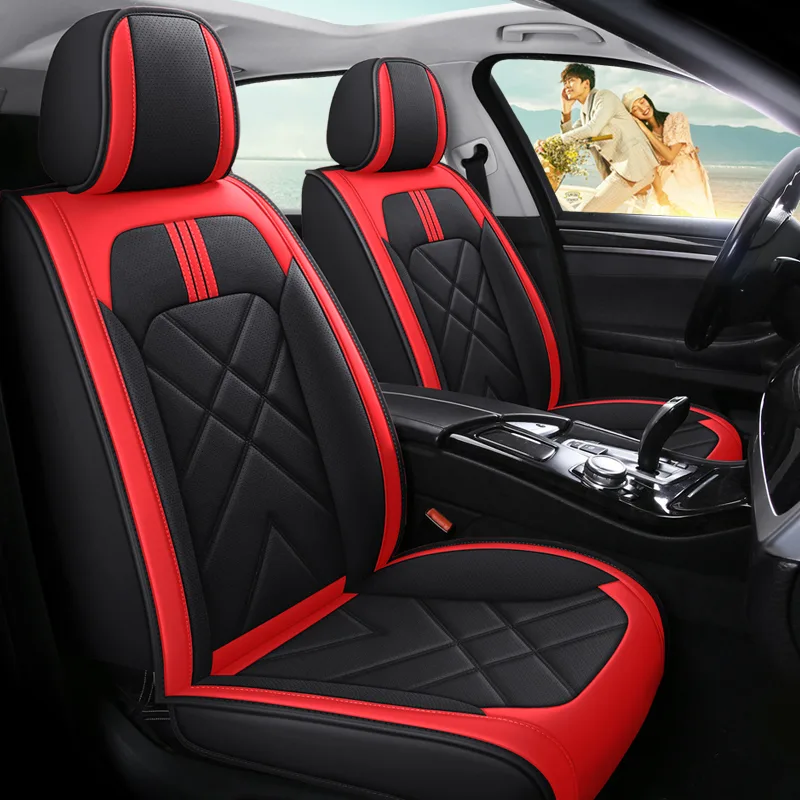



Universal-fit seat covers are the backbone of many wholesale businesses - a large-diamond universal cover fits roughly 85% of standard sedan and SUV seats. They stock across vehicle models with a single SKU line, turn faster than custom products, and give distributors a broad catalog without deep inventory. But universal also means competition - so the buying decisions you make now determine whether your stock moves or sits. Here is how to build a universal program that sells.
Why Universal Covers Are a Wholesale Staple
A universal cover fits roughly 85% of standard sedan and SUV seats. That coverage is what makes it a volume product: one SKU serves thousands of vehicle models, which simplifies stock-keeping, returns, and reordering. For distributors entering a new market, universal lines are the fastest way to build range without betting on single-vehicle demand.
Building a Balanced SKU Mix
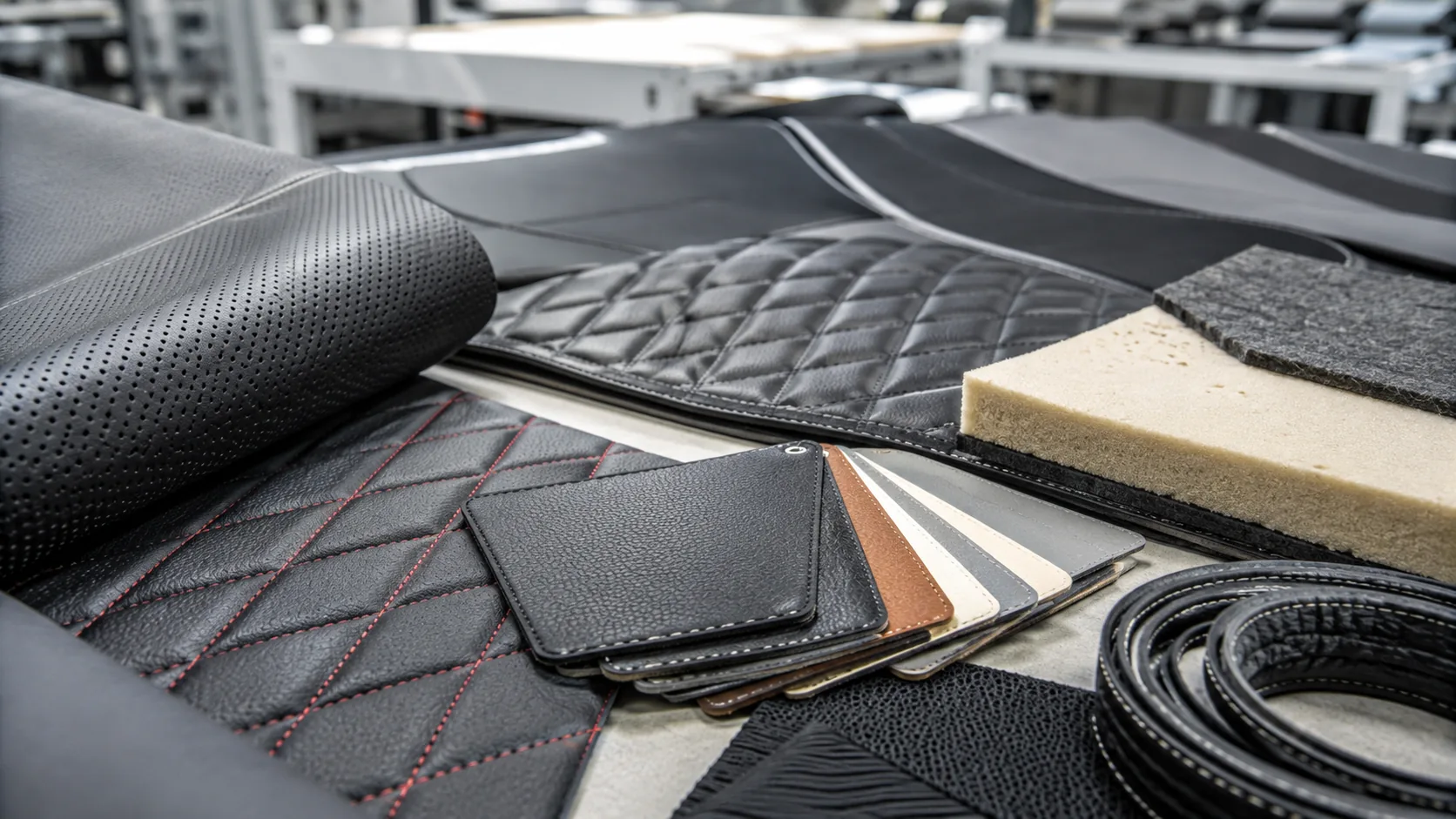
Do not import twenty shades of the same cover. A profitable mix covers the main price points and use cases. A factory producing 22 SKUs across six series - ice-silk, leather, sport, classic, cartoon, and universal - can supply a complete range from one source. For entry price points, a color-stripe cover gives you a fast-moving basic. For a first container, a common approach is two materials at the fast-moving price points plus one premium line for margin.
Price Tiers and Margins
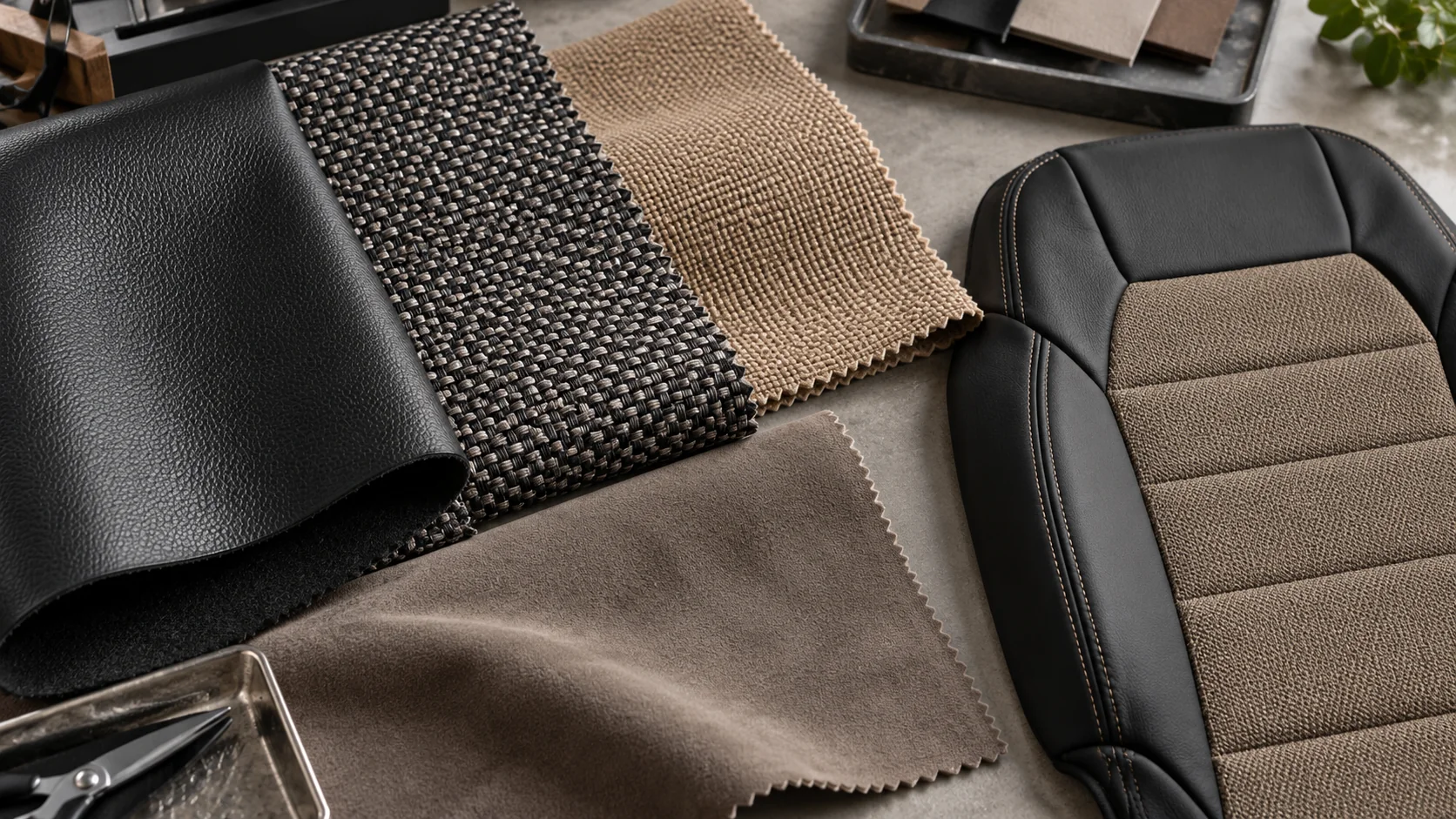
Wholesale pricing clusters around $125 to $169 depending on material and construction. Ice-silk and leather command the top of the range; standard fabric carries the volume. Map your sell-through price against the landed cost - shipping, duties, and warehousing - before committing to a margin target. A $125 cover that costs $110 landed leaves you no room for promotions. Our MOQ and pricing guide explains how these tiers move with volume.
Inventory and Reorder Planning
Universal covers have stable demand, which rewards steady reorder cycles over panic orders. Track sell-through by SKU and material. Ice-silk typically accelerates in warm seasons and slows in winter; fabric and leather are steadier. Build reorder triggers on weeks-of-stock rather than gut feel, and keep buffer stock on your two best sellers.
Shipping and Replenishment
Air freight keeps your best sellers in stock with 7-15 business day delivery via DHL, FedEx, or UPS. Ocean freight makes sense for large-volume replenishment on stable SKUs. The right mix keeps capital working: air for the fast movers, sea for the steady base - see our shipping and lead-time guide for how to plan the split.

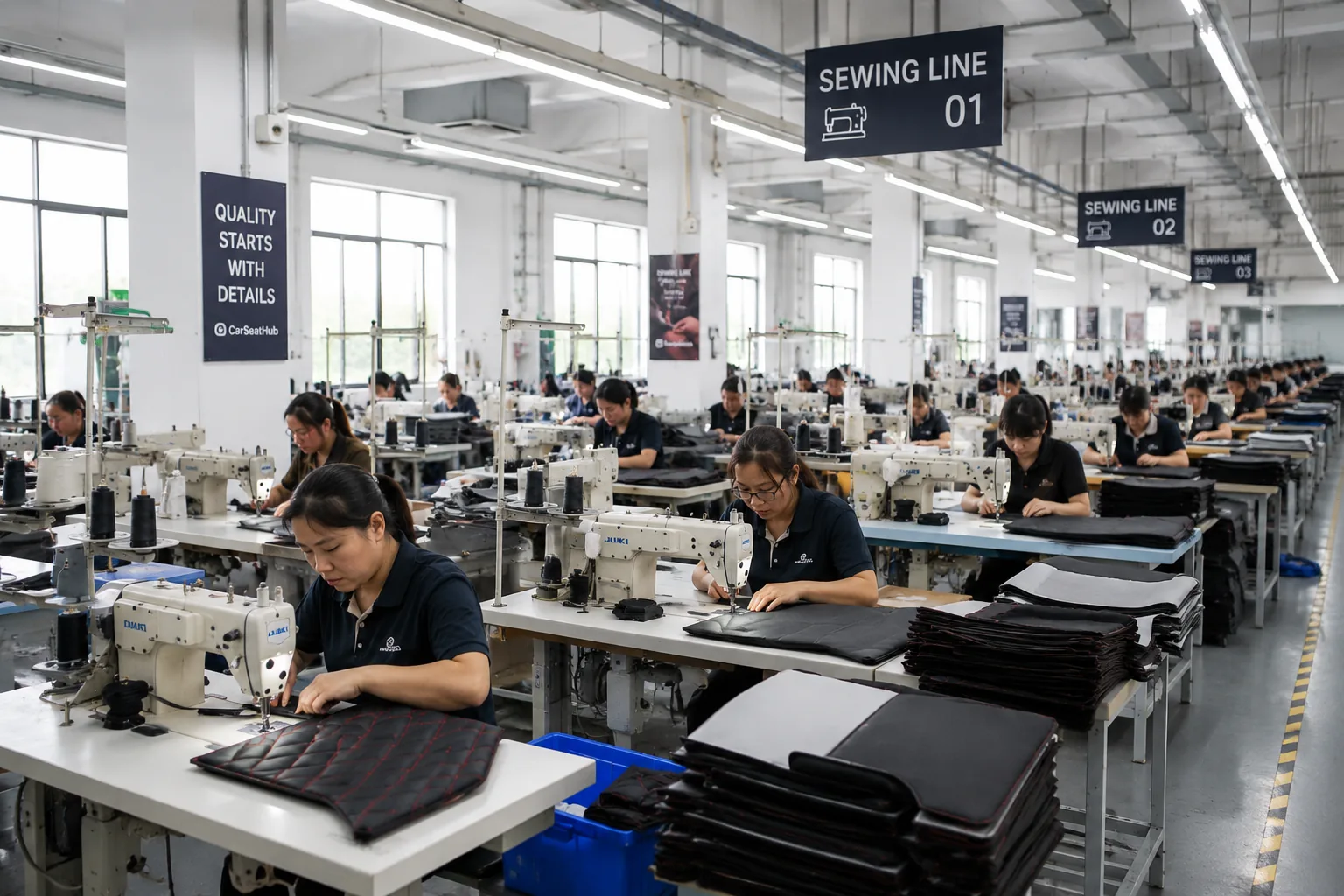
A universal program is a volume business built on disciplined buying. Choose a supplier who manufactures rather than trades, sample before scaling, and reorder on data. The category rewards consistency.
Build your universal line with one factory: request the wholesale price list and start with a balanced first container. Get wholesale pricing.